A score you can trace
Five parts, each with the checks behind it, so you know which fix brings points back.
Free resume checkerNo sign-up
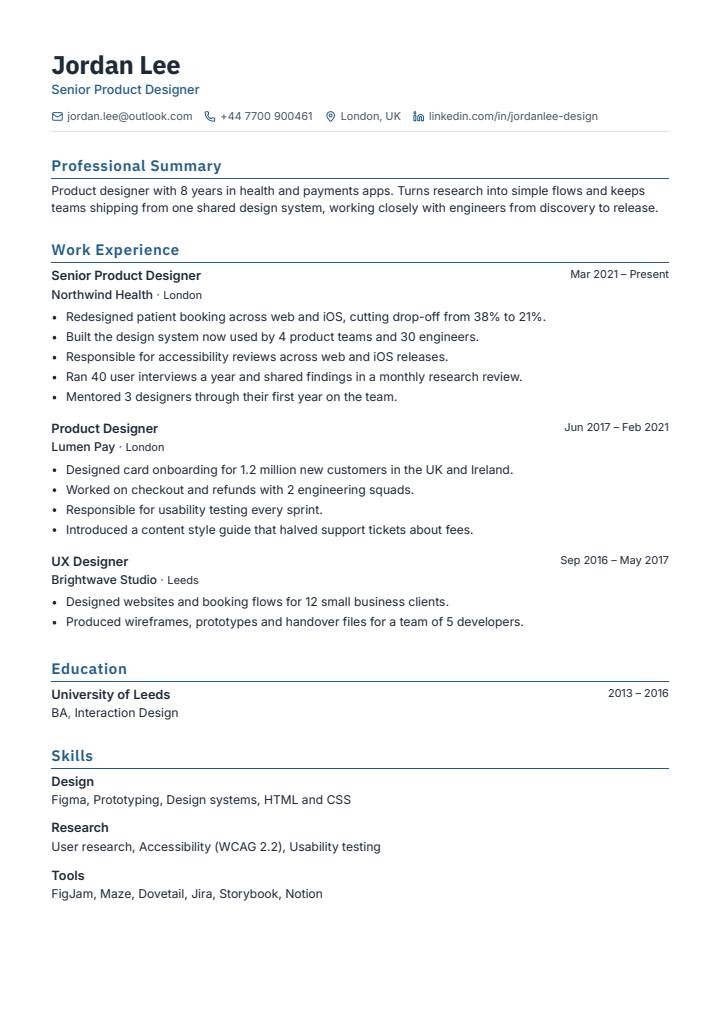
We check the file and the writing, show you what a parser pulls out, then put the same words in our templates and check those too.
Read in memory and deleted straight away. No sign-up.
Their file · 88
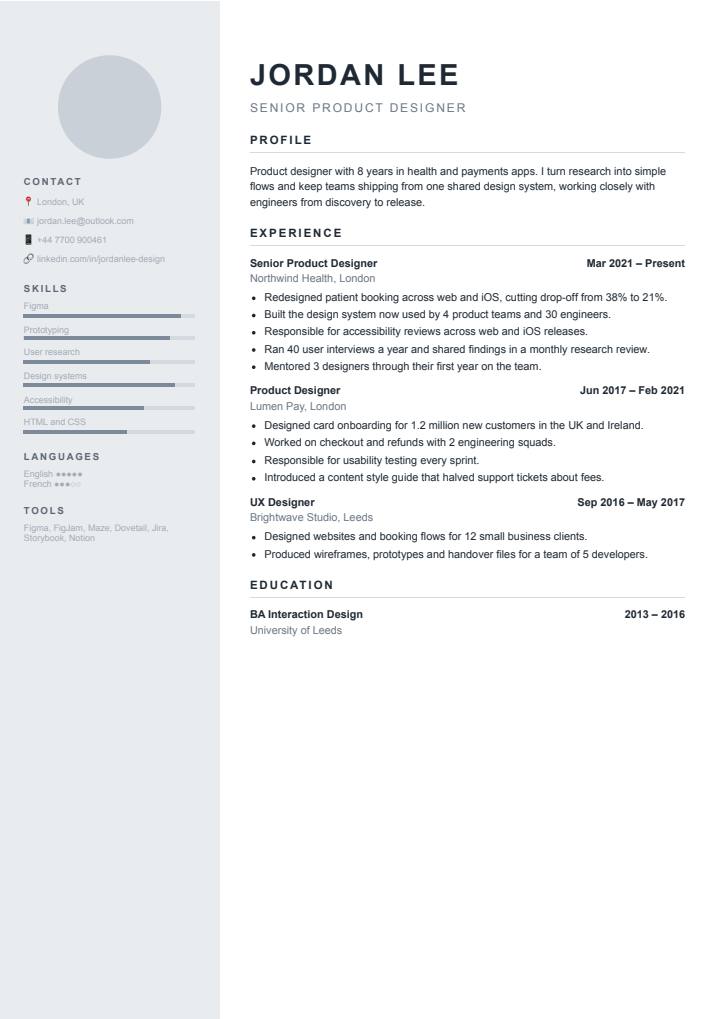
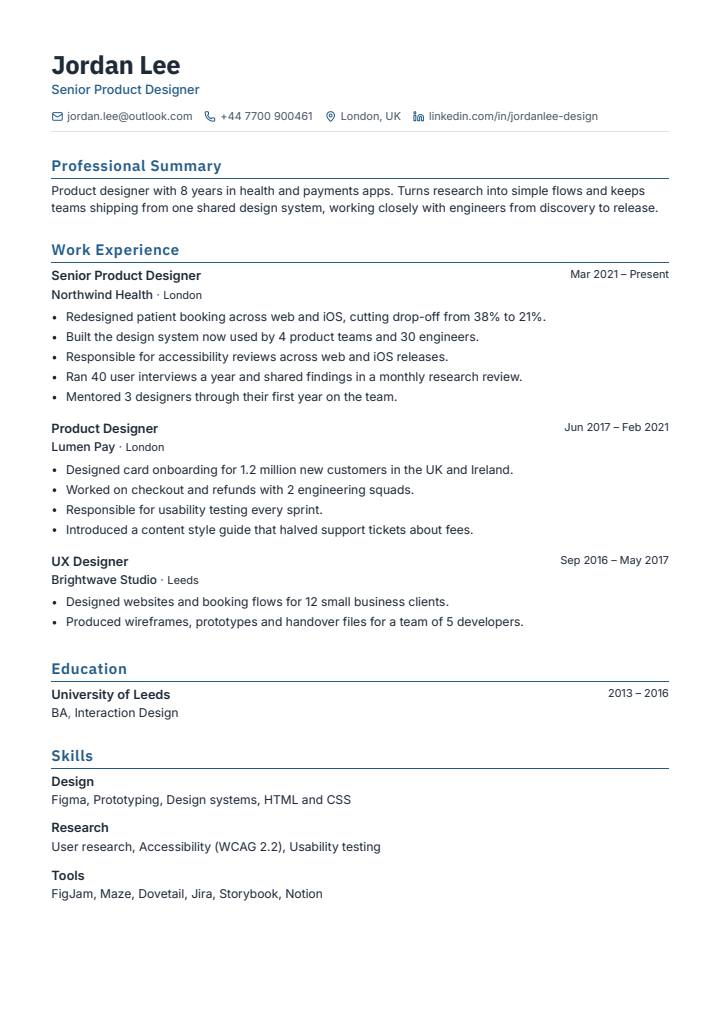
In Meridian · 96
No email wall and no blurred fixes. Every point we take off is explained.
Five parts, each with the checks behind it, so you know which fix brings points back.
The raw text a simple reader gets, with mixed-up lines and broken characters marked.
Your own words in the template that scores best for you, checked with the same rules and shown beside your file.
85 or more means a parser reads your file cleanly and the content is in good shape. 70 to 84 is solid with a few fixes. Other checkers use different rules, so their numbers don't compare with ours.
To keep it to about a minute, we try your resume in three of our templates. Your own content goes into each one, we make the PDF and check it with the same rules as your file, then show the highest score first. Scores can differ a little between templates because page length and line breaks depend on your content. In the editor you can switch to any of our other templates at any time.
Yes, until you edit. The score shown for a template is this checker's result on the same PDF the editor downloads. The points still open in the editor are the checks that PDF doesn't pass yet, added up from the same rules.
Mostly not. Recruiters screen candidates, often with knockout questions on the application form and the text the parser extracted. A file that parses badly still hurts you, because your details can arrive scrambled or missing.
Most reviews, whether by a person or an AI chat tool, read the words you wrote. This checker also inspects the file itself: hidden text, fonts that turn into junk characters, and how a simpler parser mixes your columns. It uses fixed rules, so the same file gets the same result every time.
Yes for the file, layout and section checks: we read headings in English, Spanish, French, German, Portuguese, Italian and Dutch. The wording checks, such as action verbs, numbers in bullets and pronouns, are written for English, so we skip them for a resume in another language and the report says so.
The file you check is read in memory, the report is sent back to you and the file is discarded. To stop abuse we count checks per network using a scrambled code, never your file or your IP address. A rebuild also reads your resume in memory; it's only kept, in your private draft, if you open a template in the editor.
Send what the job posting asks for. A text-based PDF from a modern editor reads well in most systems. Word files are safest without tables, text boxes, or contact details in the page header.
Not always. Modern parsers often split columns correctly, but simpler ones read straight across the page and mix your columns together. The report shows both readings so you can judge the risk.